Wednesday, November 25, 2015

Cat Grooming Basics

When it comes to keeping clean and tangle free your cat will need a helping hand from you. We share our top grooming tips and advice with you

Cats are neat freaks. In fact, if you’re a cat owner, you know firsthand that your cat is a fastidious groomer. After all, it seems to spend most of its life either sleeping or grooming!
But as gung-ho as your cat is about keeping itself groomed and clean, the truth is that it could still use a bit of help from you.
Grooming is about more than just keeping your cat looking good. Grooming your cat on a regular basis will also help you to keep an eye on its health. And grooming your cat can even help to prevent feline health issues such as digestive problems caused by hairballs. Regular grooming can also help to improve the health of your cat’s skin and coat.

GETTING STARTED

If you’re already a cat owner, this probably goes without saying: Don’t just snatch up your cat one day and commence to grooming if you’ve never groomed the cat before. The outcome is likely to be unpleasant for the both of you.
Instead, slowly accustom the cat to the process of grooming.
Pick a time when the cat is relaxed and content – after eating, perhaps. Then start with short grooming sessions of maybe 5 to 10 minutes. Pet and praise the cat as you’re grooming, and maybe even offer a treat at the end of the session. And if the cat begins to show signs that it’s none too happy about what’s happening, stop for now. You can try it again later.
With time, the cat will become accustomed to the process, and will likely come to enjoy it.

BRUSHING BASICS

Regular brushing offers benefits such as dead hair and dirt, and removing or preventing mats and tangles. But do it right, or you’ll end up with a cantankerous kitty on your hands!
Always brush in the direction that the hair naturally lays, never against the ‘grain.’ And be extra gentle around the belly and chest.
For shorthaired cats:
  • Start with a fine-toothed metal comb. Run it through the cat’s fur from head to tail tip. Watch for small pepper-like specks that could indicate the presence of cat fleas.
  • Use a bristle or soft rubber brush next to remove loose hair.
For longhaired cats:
  • Start with a wide-toothed comb to remove debris that may be caught in the cat’s coat. Carefully untangle any knots.
  • Next use a wire brush or a bristle brush to remove loose hair.
  • Consider using a toothbrush to brush around the cat’s face.
And if you encounter matting in the cat’s fur, don’t try to cut it out; one or both of you may end up getting hurt.
Brushing twice a week should be plenty for most shorthaired cats, while a longhaired cat may need brushing every day.

BATH TIME (SAY IT ISN’T SO)

Does the idea of giving your cat a bath send shivers of fear down your spine? Understandable! It’s well known that most cats aren’t particularly fond of water. You may even have been witness to a vivid demonstration of this fact in times past.
Luckily, cats don’t often need the help of a full-blown bath.
But on occasion, your cat’s coat might become sticky or dirty to a degree that the old tongue-bath just isn’t going to cut it. So you’ll have to get involved. Fortunately, though, bath time doesn’t have to be a time of terror for the both of you – if you do it right:
  • Start by making the water temperature pleasant. It should be warm – not hot, and not cold.
  • Use a shampoo that’s made specifically for use with cats, and labeled accordingly.
  • Use a sink or tub in which you’ve placed a rubber bath mat, filled to a depth of just 3 or 4 inches.
  • Gently wet the cat down using a spray hose, but DO NOT spray or pour water directly on the cat’s head – you don’t want to spray or pour into the cat’s eyes, ears or nose. If you don’t have a spray hose, use an unbreakable pitcher.
  • Start at the cat’s head, and gently work in the shampoo from head to tail.
  • Rinse gently but thoroughly, making sure that all the shampoo is rinsed out. Again, be sure to avoid spraying or pouring water directly on the cat’s head.
  • Gently pat dry with a large towel.
And one last tip: If your cat’s nails need clipping, do it BEFORE bath time!

PEDICURE, PLEASE

Getting your cat to accept having it’s claws trimmed by you really shouldn’t be too difficult, IF you approach it properly.
Start out by spending some time just training your cat to be comfortable and accepting of having her feet handled. Begin to massage its feet on a daily basis. Do that by running your hand along its leg, and then very gently pressing with your thumb on the pad of each toe, causing the claw to extend. After a week or two the cat will likely become comfortable with its daily foot massage.
Once the cat is comfortable with the massaging, it’s OK to clip. Use a quality, sharp clipper or nail scissors specifically designed for use on cats. Cut parallel to the flat of the claw, and clip off only the white tip. Be VERY careful to avoid the quick, which usually appears as a pinkish area that you can see through the translucent claw.

IT’S NICE TO BE NEEDED

Compared to certain other pets, cats are relatively low maintenance – a nice perk for cat lovers. But like all of us, your cat could use a helping hand now and then. Independent creature though your cat may be, it still needs your help in remaining happy and healthy.
And that’s kind of a perk, too, wouldn’t you agree?

Saturday, May 21, 2011

How to Clean a Fish Tank

This article explains how to safely clean any fresh water fish tank. The instructions will apply for any size of fish tank that you have.

Make sure you have everything you need!
Run through your checklist, and make sure everything you need is available.


Decide how much water you are going to change

If you are on a regular schedule and if your fish are healthy, 10-20% should be enough.


Start the siphon and direct the water into a a large pail, particularly a five gallon.

You may need a larger bucket if you have a large aquarium.


Push your gravel vacuum through the gravel.

Fish waste, excess food, and other debris will be sucked into the the vacuum.


If you have a sand substrate, do not use the vacuum like a shovel.

Use just the hose part of the siphon, not the plastic tube, holding it under an inch from the surface to suck up waste without disturbing your sand.


If your decorations are covered in algae, you may want to feed your fish less or change the water more frequently.

Excess algae growth is caused by excess nutrients in the water. You can wipe the decorations off in the tank water you siphoned out, and use an algae scrubber to remove algae from the walls of the tank. You can also put in algae remover with your conditioner.


Change the filter cartridge about once a month.

Contrary to common belief, the carbon inside of the filter cartridge can become detrimental to your fishes health if left unchanged. Not much beneficial bacteria lives inside the filter, most is in the gravel, so changing it will not affect the biological filtration in any way. Cartridges can be rinsed off weekly when water changes are performed if it appears to be dirty. However rinsing the filter cartridge does not substitute changing it, so it still has to be changed montly.


Replace the water you took out with fresh, treated water at the temperature of the aquarium.


Any cloudiness that remains will normally dissipate in a few hours, leaving the water sparkling clear.


Thursday, April 14, 2011

Bird


General Information


Modern pet birds were first domesticated thousands of years ago, with some species being domesticated as pets within the last several hundred years. Canaries were first bred into captivity in the early 1600s, while the parakeet, with its varied and diverse classes, is believed to have been domesticated for thousands of years.

Birds have had an enormous impact in human life serving as a primary source of food and also in performing important tasks. As a source of food, recent estimates indicate that every year more than 9.8 billion birds are raised, slaughtered and consumed for human consumption in the United States alone. In addition to food, birds have performs such tasks as carrying communications (Homing pigeons), hunting (falcons), scientific research (chickens and pigeons), and protecting miners from poisonous gasses (canaries).

Pet birds provide lively, constant companions that can fill a home with relaxing chirps and singing. Additionally they can bring vivid color and life into quiet corners of the home. Some species of birds can live well into their 60s and 70s creating a life long bond with their owner.

BIRD Scientific Information

Kingdom: Animalia Phylum: Cordata Subphylum: Verebrata Class: Aves

BIRD Character Information


Birds are wonderful pets that can liven up any home or apartment with their high energy and beautiful songs and can add a wide array of color to any environment they live in. Birds are intelligent creatures that are easily trained and are relatively easy to care for. They can be extremely social and can live long, healthy lives providing years and years of companionships.

For the budget conscious, birds are not expensive to feed and can live in a small inexpensive cage. When considering becoming a bird owner, it is important to think about your current living condition, whether as a renter you can have such a pet, and about how long you are willing to have the bird as part of your home. Some types of birds can live well into their 70s if well cared for. But whatever your motivation, you can expect to have the happy sounds and colors of your bird brighten your home every day.

Monday, August 2, 2010

HORSES


General Information


Some experts speculate that horses were first domesticated almost 10,000 years ago. Throughout time, these sturdy and resilient animals have been used for transportation, to transport cargo, and sometimes for food. Around 2000 BC, historical records indicate that horses were used by many different cultures and societies.

Once domesticated, horses began to be bred for their specific abilities and characteristics. As humans began to find various uses for these animals they began to breed certain horses for pulling plows and wagons, for riding (with and without saddles), and as mentioned before, some cultures used horses as a source of meat and milk. Modern day horses are used mainly for recreation, although in some areas of the world horses are still used for work.


HORSE Scientific Information


Kingdom: Animalia
Phylum: Chordata
Class: Mammalia
Order: Perissodactyla
Family: Equidae
Genus: Equus
Species: E. caballus


HORSE Character Information


Depending on the breed, horses’ behaviors and characteristics vary from being subdued to very spirited animals. Horses are very intelligent can be taught to obey and perform specific tasks when trained to do so. If you have any experience in riding or working with horses, you can attest to the fact that at times they can also be very stubborn animals.

Horses require special attention and care and should be taught to trust their caretaker. Horses that are neglected or not well cared for can become wild and unruly creating an unsafe environment for anyone in this large animal’s vicinity.

MICE & RATS


General Information


Whether as pets or unwanted pests, mice and rats have lived with humans for thousands of years. These small furry creatures have survived throughout the ages because of their ability to adapt to almost any condition and their incredible ability to reproduce – one pair of mice and their descendents can produce over a million offspring in just two short years!

Mice and rats have an extended history of use in laboratory experiments and are considered a great test for chemicals and substances that may eventually be used on humans.

These rodents are adept hunters, spending most of their lives in the wild searching for and capturing food. Mice and rats are mostly nocturnal, gathering food during the night and showing signs of activity at varying times of the day.


MICE & RAT Scientific Information


Mouse

Kingdom: Animalia
Phylum: Chordata
Class: Mammalia
Order: Rodentia
Superfamily: Muroidea
Family: Muridae
Subfamily: Murinae
Genus: Mus

Rat

Kingdom: Animalia
Phylum: Chordata
Class: Mammalia
Order: Rodentia
Superfamily: Muroidea
Family: Muridae
Subfamily: Murinae
Genus: Rattus


MICE & RAT Character Information


Mice are social creatures that are well adapted to handling by both adults and children. As social as mice can be, they can be very timid and if scared or handled roughly can become aggressive and territorial. When handling a pet mouse or rat, children should always be supervised by an adult.

Mice are small rodents, measuring only 3 ½ inches from head to bottom (tails can vary in length), weigh only an ounce and typically live to be one to four years old. While white is the most popular pet color, mice and rats come in a variety of coat colors and hair lengths.

Sunday, August 1, 2010

Rabbits as Pets

Rabbits as Pets - Is a Rabbit the Right Pet for You?

Question: Rabbits as Pets - Is a Rabbit the Right Pet for You?

Rabbits can make absolutely delightful pets, but as always, having the right expectations will help you develop a strong bond with your pet. Find out all you can about the care of pet rabbits as well as the pros and cons of pet rabbits before choosing a pet rabbit.

Answer:

Rabbits are very social as well as active and playful, forming close bond with their owners. As long as you know what to expect from a pet rabbit, they have the potential to be wonderful pets.

Life expectancy: varies with breed, anywhere from 5 to 15 years.

Why Rabbits Can Make Good Pets

· Rabbits are social and with gentle handling are generally quite tame.

· They are playful and entertaining to watch.

· Rabbits often form very close bonds with their owners.

· They can be litter trained. They also respond well to gentle training (try a clicker) and can be trained to do special behaviors and tricks.

What You Need to Know Before Deciding on a Rabbit

· Being social, rabbits need a great deal of interaction with their owners and/or other rabbits to be happy. Daily playtime and exercise outside of their case are a necessity.

· Rabbits are not low maintenance - it takes a good deal of work to properly care for a rabbit.

· Rabbit pellets alone are not a sufficient diet -- they need lots of roughage in the form of good quality hay and a variety of fresh vegetables.

· They do need to chew, so lots of safe chew toys should be provided, and any spaces where the rabbit is allowed to run must be carefully rabbit-proofed.

· They need a relatively large cage. They are also better off indoors, where they can be more social with their family and also are also safe from predators (even in the city) and extreme weather.

· While they are generally quiet pets, rabbits are not a good match for active young children who may not be careful enough when picking them up or playing around them.

· Rabbits like to be near their people, but they often would rather not be held.

· They will likely require some veterinary care, which can be expensive. They should be spayed or neutered (by a vet experienced with surgery on rabbits) and they may require vaccinations depending on where you live (see Rabbit Vaccinations from RabbitRehome.org.uk for more on vaccines).

· Rabbit urine can have a strong odor so expect to change their litter box frequently (spaying and neutering can help reduce the odor. In addition their urine is high in calcium so can leave a chalky residue when it dries that can be hard to clean up (vinegar is pretty effective for this).

Consider Adopting a Shelter Rabbit

· Please consider adopting an rabbit from a shelter or rescue if you have one nearby. There are many perfectly good pet rabbits who need a second chance at finding a forever home. Don't worry about getting an older rabbit--you can get a good sense of their personality and they will bond with new owners just fine.

A special note about Easter and Rabbits:
The association between rabbits and Easter means rabbits are often impulsively acquired as pets at Easter time. Unfortunately, many of these bunnies end up neglected or given up for adoption since those cute little bunnies grow up into rabbits that need as much attention and care as a dog. Rabbits can be destructive if deprived of attention and appropriate toys, and need to be spayed or neutered to cut down on behavioral problems and health risks. In addition, rabbits are not ideal pets for children, partly because rabbits usually do not like to be held or cuddled. Always research a potential pet thoroughly to make sure it will be a suitable companion before getting one, and avoid the impulse to get a bunny for Easter.


Saturday, July 31, 2010

Dog Toilet Training


Dog toilet training is the process of teaching your dog to eliminate where you want him to. It's all about getting to the point of allowing him freedom in your home without worrying about him making a mess.

Dog Toilet Training With a Crate

The most effective method of dog toilet training involves the use of a dog crate. A dog crate, available at most pet supply retailers, provides your dog with a place of his own. Your dog is genetically predisposed to keep the place where he sleeps clean. During a short period (usually about two weeks) of dog toilet training, your dog is in one of three places: using the bathroom in the place you designate, inside the house playing with you or your family after you're sure he's "empty," or in the crate. This virtually eliminates chances of mistakes, and your dog will quickly understand what's expected of him in terms of toilet habits.

It is possible, though not often recommended, to attempt dog toilet training without a crate. Even if you just borrow a crate for dog toilet training and return it later, it's worth the effort to use the crate. However, if you're completely opposed to using a crate for dog toilet training, or there's some reason that a crate is unavailable to you, then there are some tips for dog toilet training without a crate.

Dog Toilet Training Without a Crate

Accept the fact that dog toilet training without a crate will be more difficult, with more accidents to clean up. But resolve to keep your dog toilet training positive. Negative techniques often just end up confusing your dog.

The key to dog toilet training without a crate is to stay in touch with your dog throughout the day. You'll need to recognize signs that he needs to use the bathroom, and then immediately take him to the spot where you want him to go, give the command word and praise his successes. If you don't want to keep your dog or puppy on a leash with you during the entire period of dog toilet training, then confine them to an area you can watch using something like a baby gate. Your dog will be able to see you and you can see what he's up to. A closed door will make it impossible for you to catch him getting ready to go.

Dog Toilet Training Using Papers

Using papers for dog toilet training is really not practical for large dogs. The amount of waste they produce will make paper-training an entirely distasteful option for dog toilet training. You should realize if you intend for your dog to use the bathroom outside, there's no need for involving papers in dog toilet training at all. Take your dog outside to eliminate from day one.

If you have a small dog and going outside is difficult (perhaps you live in a city apartment), then dog toilet training with papers might work for you. There's really no secret to paper-training. It works just like all other forms of dog toilet training. Just take your dog to the papers instead of outside. Give him your chosen command word and praise him when he eliminates onto the papers.

Once you've successfully completed dog toilet training using papers, if you decide you want your dog to go outside, then you'll need to start over. It's not impossible, in fact it may be fairly painless, but just remember your dog won't figure out on his own what you want.

Friday, July 2, 2010

Training your Pet


Pets are unique in their own sense. They have their own natural behavior. You have to mould their behavior as per your requirement. All this calls for training of pets.

Two cardinal rules that are to be followed while training your pet towards desirable behavior are:


  1. Never reprimand or punish your cat for an unwanted behavior. This may make your pet fearful of you or else the pet will continue with the unwanted behavior in your absence.
  2. Reward your pet for the desired behavior. It will act as a positive reinforcement.
While training a puppy regarding food habits, put your puppy on a consistent feeding schedule. Feed a puppy below six months three times per day and at the same time each day. Feed an adult dog twice a day and at the same time each day. Feed the same food consistently. Changing foods can cause finickiness and intestinal upset.

Regarding bowel habits, puppies typically need to go out within 30 minutes after a meal, and almost immediately after awakening, shortly after a play session, and just before going to bed at night. Puppies have limited bladder and bowel control and need to go out rather frequently during the day, and sometimes during the night.

Cats have an excessive habit of meowing. They do so when they want to attract attention, when they are hungry or when they are bored. Do break this habit exercise and play regularly with your cat. Don't pay attention to her and give her anything when she is meowing. In fact ignore her completely whenever she does so. Fulfill her needs when she is quiet. This will instill in her mind the desired behavior that is expected of her.

Cat is a nocturnal animal and its natural tendency is to sleep in the day and remain active in the night. To break this habit, change the biological clock of the cat as per your schedule. Firstly, don't reward cat in anyway - by playing with her or feeding her - whenever she wakes you in the night. Secondly, don't let your cat doze off in the day. Keep her active all day along and feed her late in the evening/early night. By following this schedule you will deprive your cat of sleep in the day and hence she will catch up with her sleep in the night. In about 2 weeks time her biological clock will match yours.

Cats have a natural instinct to scratch. They scratch our valuable furniture, carpets etc. To prevent them from doing so place double-sided tape or masking tape left sticky side up at strategic places on the furniture. Cats don't exactly relish having an object cling to their sensitive feet. Bring them a scratching post to satisfy their scratching instincts.

To ensure that your cat eliminates in the proper place litter box training is very important. . As a kitten, every time that she looks like she's about to crouch or she starts sniffing near a corner (classic signs of oncoming urination or defecation), pick her up and put her in the litter box. Also, first thing in the morning, put your kitten in the litter box. Kittens learn extremely quickly. Cats don't litter in dirty litter boxes so keep the litter box always clean. Reward your cat for eliminating in the litter box. In order to do so you must be present there at the time when she eliminates

How To Adopt A Dog

Humanity and kindness go hand in hand. All the animal lovers have a special place in their hearts for their furry companions and love to provide for them, care for them and love them. Adopting a homeless dog is not just an act of kindness but finding an unwavering devotion, loyalty and companionship forever. Though, it may take time and patience, your rewards come inn the way these animals wait for you anxiously at home, without questioning your lifestyle and run to hug you and are contented to be petted. The pet and owner bonding is one of the most beautiful relations in the world. It is interesting to see how the two specials, naturally abhorrent to each other, live in harmony in a loving home and even become the best playmates ever. Such relationships include the friendships between cats and dogs.

Adopting a dog means choosing the correct type of dog for you as the fist step. You will have to decide whether you want a dog that is large or small according to the space available to you. You may want an active companion that loves to go hiking or a gentle one that is contented to sit in your lap and be petted regularly. There are dogs with long fur that look cute or the smooth-coated ones that shed very little. Guardian dogs need to be stronger and more intelligent while toy dogs need to be cute and gentle and easily sociable. Hundreds of breeds of dogs are available for adoption but you should be careful to choose the one that suits your personality type. Here are some things to keep in mind, before you adopt a dog:


  • Consider the size of your dog according to the size of your house. Flats, unit houses and farmhouses may all be suitable for different breeds.
  • Urban and suburban areas are more suitable for particular breeds while rural and semi-rural areas are preferable for others.
  • While choosing a dog, keep in mind that you have a yard at home or not.
  • Is the dog contented to be chained or stay within the property limits or is a natural wanderer.
  • The daily exercise that the dog breed needs on a regular basis.
  • The time you can spend with your dog and its need of companionship.
  • People with oldies, invalid people or kids at home must choose a dog that will not be a problem for them later.
  • The age group and the fitness level of the dog owner and the main dog sitter.
  • Energy level of the dog that you find comfortable.
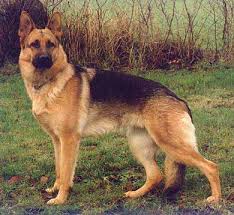
  • The toy or small dogs such as Pekingese, medium dogs such as Cocker Spaniel and large dogs such as German Shepherd Giant and St. Bernard have all their exclusive uses.
  • The price of the dog and its daily maintenance cost.
  • Preferable length of coat of the dog. Smooth coated ones such as Basset Hound, dogs with short coat such as German Shepherd, medium coated ones such as Cocker Spaniel or long-coated ones such as Maltese, all have different looks and are suitable for different weather conditions. Long coated dogs in warmer regions need to be kept cool constantly by air-conditioning, while smooth-coated ones in cold countries will need warming up, thus, increasing their maintenance cost.
  • Grooming the dog requires.
  • The purpose for adopting the dog. Some dogs are so sociable that they are contented to keep quiet when strangers come into the house, while some breeds are merely threatening with barking but rarely bite. Some other breeds are quite dangerous and can attack any stranger savagely.
  • The number of dogs and cats that you already own, for this will determine how social and adjustable a dog you might need.
  • The training level, fitness level, age and health of the dog.

Hair Loss in Dogs


A common veterinary condition, hair loss (Alopecia) in dogs is sometimes considered a normal process of shedding. However, in case you notice tufts of pet-hair on your rug or a continuous thinning of your pet's coat, its time to pay your utmost attention. Though a dog may suffer from hair loss for many reasons, in most cases, hair loss is a major symptom of various fatal diseases and infections. Hair loss may even arise due to poor nutrition. Sometimes, there might be symmetrical hair loss on both sides of the body and sometimes hair loss might be in an asymmetrical manner and occur in patches. Generally, symmetrical hair loss denotes that there is some kind of hormonal disorder in your pet, while patchy hair loss means that he is suffering from some kind of skin infection.

Sometimes, thyroid problems may cause shedding of hair, thereby leading to thinning of the dog's coat. Eventually, it gets a peculiar appearance - overweight with brittle fur that is thinning. Old is also one of the most popular reasons for hair loss in a dog. Hence, it is very important for dog-owners to have an idea as to what exactly is causing unhealthy shedding of hair their canine. Whenever you notice any abnormal loss of hair in your pet, immediately get him diagnosed by a good veterinarian. With proper medication and treatment, you will get back your fluffy friend in no time. To know more about hair loss in your canine, we have enumerated below a few major reasons.

Causes of Hair Loss


  • 'Callus' or persistent pressure (mostly in giant dogs)
  • 'Cushing's Disease' or high level of corticosteroids
  • 'Acanthosis nigricans' or infection caused by friction, hormonal abnormalities, or hypersensitivities
  • Drug or injection reaction caused by a drug which is inhaled, given orally, or applied topically
  • Interstitial cell tumor or tumor of the testicle
  • 'Kerion' or complication of ringworm infection
  • 'Demodectic Mange' or infection caused by the Demodex mite
  • 'Diabetes Mellitus' or diabetic conditions in dogs
  • 'Folliculitis' or infection in the hair follicles
  • 'Sarcoptic Mange' or infection caused by the Sarcoptes mite
  • Tail Gland Hyperplasia' or enlargement of the sebaceous gland of the tail
  • Allergic reactions to various substance like metals, chemicals, mites, pollens or certain food
  • Sebaceous adenitis or the destruction of the sebaceous glands
  • 'Leishmaniasis' or hair loss caused by a parasite of blood cells
  • Certain growth hormones lead to hair loss. They are witnessed during puberty and mostly in puppies
  • Excessive estrogen in the body or 'Hyperestrogenism'
  • Excessive stress (observed during pregnancy and nursing)
  • Fungal infections, like ringworm
  • Insufficient hormone production by pituitary gland (Pituitary Dwarfisim)
  • Low estrogen level or 'Hypoestrogenism'
  • Low thyroid hormone production or 'Hypothyroidism'

Tips on Keeping Dog’s Teeth Clean

Are you worried about your dog’s dental health? Here are a few tips to keep their teeth and gums looking great.

Try to come up with a routine for brushing its’ teeth. There are toothbrushes and brushes that go on your finger like a finger puppet. You can also purchase a baby toothbrush to use on puppies. Be careful using human toothpaste as it may ingest more than recommended. Dog toothpaste is also available and can make the tooth brushing process easier with their chicken and beef flavors.


If you can’t stick to a great brushing schedule, there are dental treats available like DentaStix, Busy Bone and Dental Fresh, which dogs love. These treats help remove plaque and stimulate the gums. There are various brands, sizes and favors, so it’s easy to find a brand that works well.


If it appears it needs a dental cleaning, you can take it to the vet. I recommend trying to keep up with a schedule that enables you not to do so. Dental cleanings can be very expensive and a lot of times they put the pet under to perform the cleaning, which is sometimes dangerous for puppies.


A friend of mine has come up with a routine that she stands behind. In order to make sure she keeps its teeth healthy, every time she gives him a bath she makes sure to brush his teeth. This ensures that his teeth are cleaned at least once every two weeks. She follows up his day of cleaning with a DentaStix. Between bath days, she brushes his teeth whenever it pops into her head or gives him a DentaStix. If she does see any tartar build up, she removes it with a tooth cleaning utensil.


If you are worried about the dental health, check to see if there is any tartar along their gum line or any loose teeth. Excessively bad breath is also an indication of poor dental health. Keeping your dog’s teeth healthy can be easy and inexpensive if you stay proactive.

Thursday, July 1, 2010

Dogs and Water

Water makes up close to 80% of the dog’s body. It is necessary for almost all vital functions, regulates temperature, and filters waste from the body. If your dog loses even one tenth of the water in his body, he is in serious trouble.

Clean Bowl

Bacteria is microscopic, so you do not see it when it begins to develop. This means you need to wash your dog’s bowl before it looks like it needs to be washed. Bacteria can make your dog sick, and it can also make the water’s taste unappealing. If your dog does not like the taste of the water, he might not drink, and can become dehydrated.

Alone Time

Make sure dogs who are left alone have ample water to last while you’re gone. If the water bowl is empty when you get home, you should probably be providing more water. Also, lots of dogs have a tendency to knock over their water bowl. If this occurs, they are left the rest of the time you are gone without water. Especially heavy bowls, or very wide bowls with a low center of gravity are good for dogs who like to tip their bowls over. You can also leave more than one bowl out, just to make sure. Remember, one can never provide too much water for a dog.

Type of Bowl

Many vets suggest that stainless steel bowls are best. Ceramic and stoneware bowls can develop tiny cracks and chips which can harbor bacteria. Plastic bowls can develop scratches and divots which make nice homes for bacteria as well. This is not to say that you cannot have a plastic or stoneware bowl, but they must be used with accompanying vigilance.

Chained Dog
Dog chaining is not suggested and is illegal in many places. However, if you insist on chaining your dog, be sure that his water is located very close to the chain’s anchor. If the dog wraps his chain around the pole or tree to which he is attached, he may not be able to reach his water. Furthermore, bear in mind that dogs can wrap their chain around other objects, and even their own legs, or they can overturn their water with their chain, so it is difficult to predict the best spot to place their water bowl. The best way to make sure a chained dog is receiving sufficient water is to check them regularly, and never leave them chained for long periods of time. Read more about Dogs and Chaining.

Potty Mouth

Make it a habit to keep the lid on the toilet down, or to keep the bathroom door closed. Bacteria builds up in the toilet bowl and it can make your dog sick. Also, toilet cleaning products can make your dog extremely ill.

Beach Bums

Never let your dog drink water at the beach. Saltwater and brackish water will dehydrate your dog. Even freshwater rivers and lakes contain tons of microorganisms that can wreak havoc on your dog’s digestive system.

Exercise
The more exercise you dog gets, the more water he needs. When you go for hikes, long walks, or even just play sessions at the park, make sure you bring a portable dog bowl and a bottle full of clean water.

Treating Your Dog

Everybody loves to treat their dog, and we all know dogs love treats. With all the options out there, how does one figure out the best way to treat his or her pooch?

Vet
If your dog has any health issues, including illnesses or obesity, talk to your vet about what treats would be best. Different treats are better-suited to different dogs and different health concerns.

Dog Treats are for Dogs
It is best to avoid people-food all together when it comes to giving your dog treats. There are many human foods that can make your dog very sick. The easiest way to avoid someone giving your pooch a dangerous food is to have a strict “no people food” rule. This is also a big help when it comes to maintaining your dog’s trim waistline.
Mind Meal Times

Don’t go heavy on the treats close to meal times. Letting your dog fill up on treats can spoil his appetite. This not only means that he misses out on important nutrients, but it also skips a chance to reiterate discipline and maintain routine.

Multi-Purpose Treats
It is great to take advantage of treat-giving by providing treats that are also beneficial to your dog. Dental treats, like Greenies, are fantastic because they clean your dog’s teeth and freshen his breath. Any biscuit-like, crunchy treats will help to scrape plaque from the teeth for better dental health and fresher breath too.

Fruits & Veggies

Fruits and veggies make great, healthy treats for your pooch. Try sweet potatoes, celery, broccoli, spinach, alfalfa, carrots, zucchini, apples, pears, oranges, and grapefruit.

Count Calories

Remember that treats count toward your dog’s daily calorie count. If you give your dog treats every day, you should subtract from the amount of food he gets each day as well. This is not to say Fido has to skip dinner if you give him a biscuit, but dog owners must remember that treats are a part of his daily food intake, so they should make it count with healthy treats and not too many.

Training Treats
Using treats is a great way to keep your dog interested in training-time. However, as mentioned above, these treats do count towards daily calorie totals. So, if you are conducting daily training sessions, consider dividing your dog’s food into small portions and using those portions in your training.

If your dog doesn’t get very excited about his usual kibble, training treats are the best option. Good training treats have a strong scent to entice your dog. They are also small and soft. Small soft treats are easy to eat quickly so your dog’s mind doesn’t have a chance to wander away from the task at hand while he’s busy chewing.

Why Feed with Organic Dog Food


Certified Organic food is produced under stringent standards that ensure safe and natural farming practices and ecologically friendly methods within guidelines set by the United States Department of Agriculture (USDA). The organic food movement is gaining more and more support as green living finds itself at the forefront of our society’s consciousness. Today one can find the organic version of most products, including dog food and treats. So, why should you feed your dog organic food?


Organic food is made with no additives, chemicals, colorants, pesticides, or bulk fillers. This means the products on which you’re spending your hard-earned money are natural, high-quality foods. When you buy organic, you truly know what you’re getting, and what is being consumed by your beloved pooch. The USDA strictly monitors the production of organics. A company cannot legally advertise its foods as “certified organic” unless both the place of production, and any other location or company that handles its products between production and sale have been certified by agents of the USDA’s National Organic Project (NOP). There is much comfort to be found in the fact that the food you’re giving your dog has been certified by the United States Government as completely organic.

Organic food, by the very nature of its production, is healthier for your dog. Since the standards under which organic foods are produced are so strict, one need not worry about the risks associated with contaminants finding their way into products. Animals raised organically are free of antibiotics, growth hormones, and other artificial drugs. In fact, a company cannot boast that its meat is organic unless the animals eat nothing but organic foods themselves. Again, this ensures that you know exactly what you are providing your dog when you feed with organic dog food.

Furthermore, it has been concluded by the American Association for the Advancement of Science that organically grown foods have higher nutritional value than those grown in standard, industrial environments—namely, more vitamins, more antioxidants and lower levels of nitrates (which can form cancer-causing compounds). Non-organic dog foods are choc-full of sodium, preservatives and artificial colors, none of which are healthy for your dog. Organic food, however, includes nothing but actual, wholesome, food products. Feeding your dog an organic diet is believed to boost the immune system, thus lessening the risk of infection and various diseases.

The health benefits associated with eating foods that are literally more nutritious cannot be ignored, but that’s only part of the multifaceted argument for buying organic. If you’re interested in a greener lifestyle, organic is the way to go.

The farming industry uses 12% of the US energy supply, more than any other industry. Due to production, transporting, processing and marketing, non-organic farming is extremely dependant on fossil fuels. Organic farming, however, requires 70% less energy.

The lack of pesticides and herbicides on organic farms safeguards groundwater, topsoil, habitats and neighborhood health. The Environmental Protection Agency estimates that agriculture is responsible for 70% of the pollution in US rivers and streams. It is believed that pesticides contaminate the groundwater in 38 US states. These dangerous and often carcinogenic chemicals are making their way into our drinking water, and, in much greater volume, into the bodies of farmers. Farmers are six times more at risk for cancer than any other profession.

Buying organic benefits the community by supporting the avoidance of dangerous chemicals in farming, and it also gives local economies a leg-up. According to the USDA, 50% if farm products come from 1% of farms. This is one of the reasons that the US has lost more than approximately 650,000 family farms in the last ten years. Supporting the smaller, more efficient farms that produce organic products means supporting small business, family farms, and the wholesome lifestyle that goes along with the two.

One of the most feel-good reasons to buy organic is that organic food has been scientifically proven to taste better. Organic farming actually improves the soil. Soil quality has been proven to improve quality, taste, and storability of foods.

So what are you waiting for? Do your part for farmers, the economy, the environment, and your dog—Go organic for your dog’s food!

Wednesday, June 30, 2010

Types of Dog Collars

Dog collars are not so simple as they seem. There are many different types of dog collars available in the market to suit different functions and needs. Different kinds of dogs need to be harnessed using different dog collars. The independent and intelligent dog breeds such as Boxers need firm and fair training to be obedient and learn good manners. These dogs can be friendly and quite useful once trained properly but do not like to be ordered around. To choose a right collar, you must read this article that details the uses of different types of collars:
Buckle Collars

Buckle collars have are meant to be buckled to fasten them and are mostly made up of nylon, cotton, or leather. They can both be flat or rolled and are quite adjustable. Buckle collars are adjustable and do not strangle dogs. Rolled leather collars are better than flat ones as they avoid chafing or hair breakage.

Quick-Release Collars

Flat nylon buckle collars have plastic fastenings that help to put on and take off the collar quickly. These are adjustable too and do not tighten around dog's necks.

Break-away Collars

It is a quick-release collar and is meant to help the dog pull itself free, if the need be. Its inventor was inspired to design it after his dog get choked to death because the collar he was wearing got caught on something. However, if attached to a leash, the collar will not open, giving you the freedom to control the dog, when you are with him.

Slip Collars

Slip collars are also known as choke chains or chokers. They can be made of braided nylon, cotton, metal or leather and have 'O' rings at either end. The collar is looped through one of the rings. The collar can be tightened and loosened with pressure from the lead. Attaching the lead to the floating ring or the dead ring will prevent the collar from tightening.

Choke Chains

The metal training slip collars known as choke chains are still in use as the primary training tools for the dog. They are used to give dogs a jerk, if they do not obey a command but are not advisable as they may cause neck, back and tracheal injuries to dogs and may also cause them trauma. Only qualified, experienced instructors may use them with care. Width and weight of the links decide the type of chokers to be chosen for the dog. Heavy chains need collars with rough sliding. They are the training collars and must never be used on puppies. Tags should not be attached to chokers. Long-haired dogs need wide-link chokers.
Prong or Pinch Collars

These training collars are much safer than the chokers and do not cause neck, back or tracheal injuries. However, since they are may get worn and stretched and thus spring open, they can only be used with a back-up collar hooked to the leash. Not intended for puppies, they should only be used carefully.

Head Halters


Head halters are much like halters used for horses and are meant for dogs that pull. They sit right below the dog's eyes and thus are uncomfortable to most dogs. They should not be confused for muzzles as they allow the dog to drink, eat, bark or bite. It is to be used when the dog is walking at your side and not trying to escape from you.
Harnesses

Harnesses are used for sled and carting dogs to help them pull and is the most effective means to distribute weight evenly. It enables the dog to pull many times its own body weight

Electronic Collars

'Remote' collars or 'shock' collars deliver an electrical stimulus to the dog in training as a 'correction method'. The intensity of the stimulus starts from low level to high, depending on the disobedience of the dog. These training-only collars should only be used by professionals or may have destructive effect on dog's self confidence, desire to work and general good will.

Collars should fit well and especially the non-slip collars should be loose enough to leave two-finger width space between the collar and the neck of the dog. Improperly fitted collars and their incorrect usage may even prove fatal to dogs.

Traveling With Dog

Most dogs like to travel and go for adventure. Natural hunting instincts make them want to see new places and meet new people but it may pose a problem to take the dog with you for many reasons. Many people are afraid of dogs and dog messes are especially troublesome while traveling. Many hotels and public transport services do not cater to pets such as dogs and cats. A full-time pet sitter may be needed to see after your dog while you are on a trip or may get it enrolled in a professionally managed kennel. Make sure that the kennel, where your dog has to live, is clean and comfortable. The dogs there should look happy and cared for. Some kennels also allow you to give dog's own bed, toys and food for his use during your absence. Good kennels accept dogs only if they are vaccinated and immunized properly.

However, if you are insistent on taking the dog with you, here are the few tips for you:


  • Get a health certificate from your vet for your dog.
  • Sturdy dog crates or carriers are must. Some airlines sell dog carriers that are very sturdy but fairly expensive too.
  • While some airlines will allow your dog to remain with you in the passenger compartment others prefer to keep them in the luggage compartment.
  • Dogs need air-conditioned and well-ventilated cars to keep him cool.
  • Don't let your stick his head out the window while the car is moving.
  • Do not leave the dog in a parked car unattended or in the sun to protect him from fatal heat stroke or from being stole or kidnapped.
  • Symptoms like rapid panting, fast pulse, excessive slobbering, red eyes and gums, feverish temperature or vomiting, means that your dog needs attention immediately. Place cool towels on your dog and take him to the nearest veterinarian immediately.
  • Every country has its own specific rules regarding traveling with pets. Follow them carefully to avoid any hassles later.
  • A valid rabies vaccination certificate and an official health certificate in the other country's native language, notarized at the local consulate, is always helpful.
  • To prepare for a road trip, get a pet identification tag for your dog first, complete with dog's name, owner's name and contact number.
  • A first aid kit for your dog comes in handy to remove any ticks that he may contact on the way.
  • Getting a dog seat belt harness for riding the car is a good idea.
  • Take your do's beloved food and treats with you, enough to last for the duration of the trip.
  • Pack water, dog dishes, leash, favorite dog toys, brush, towels, plastic bags for cleaning up after your dog, dog wear and dog carriers or houses and all the things that will keep your dog happy during the journey.
  • Make sure to stop at least every 2-3 hours to allow your dog to relieve himself and offer him water

Friday, June 18, 2010

POTTY TRAINING BASICS

It is an undeniable fact that puppies need to eliminate. The frustrating part is the communication barrier as well as the lack of understanding about where and when it is appropriate to eliminate. Puppies come to us with the simple motto: "If I have to, then I'll do it." This pertains to eating, sleeping (ever see a pup fall over asleep in mid-play?), activity, exploration AND elimination! Puppies do not understand anything more than that. It is up to us to establish a bridge of understanding if they are to live with us harmoniously. We are the ones with all the requirements, not them! They'd be just as happy to take care of their needs the way they already know.
The most successful potty training methods consist of four key elements:
1. Confinement
2. Training
3. Timing
4. Praise


This article will discuss them all and also answer common housebreaking questions and address some special cases.

Confinement

Puppies (or dogs who don't yet understand where it is appropriate to eliminate) need to be confined in order to facilitate the easiest potty training. The BEST and most effective place to confine is in a crate or cage (more about crates in an upcoming article). At this point (new introduction to potty training) don't leave anything on the bottom of the crate (blanket, newspaper, etc.). Puppy will make a project out of destroying it. Most dogs do NOT want to eliminate where they live, therefore the crate needs to be just large enough for puppy to turn around and lay down. Anything larger will encourage a puppy to eliminate at one end and sleep in the other. For those puppies who will grow quite a bit larger, use a crate that is sized for an adult and partition it to a smaller size using a homemade insert or a crate insert made by the crate company to fit your crate.

Training and Praise

When I teach a new dog (or puppy) where to eliminate, I ALWAYS use a leash. Leashes keep your dog close to you, where you can supervise and control everything that happens. Puppies, especially, are easily distracted. A blowing leaf, new flower, stick, another animal - all can take a puppy's mind off the matter at hand. If you are near the puppy (or dog) with the leash in hand, a gentle tug will redirect away from the curiosity. Leashes are also good to help teach an AREA to eliminate (behind the garage, etc.). With a leash, you just take the dog there every time.

I also teach words for elimination. This way, when the puppy understands what the words mean, he will understand WHAT I want as well as WHEN I want it to happen. My words are "go potty" for urination and "go poop" for defecation. Your choice can be ANY word or phrase you want to use consistently (such as, "hurry up", "do your business", "get busy", "let's go", "tinkles", etc.). Remember when you choose your word or phrase that you will be repeating it A LOT!

As I take my dog outside on a leash, I start to teach him the word "OUTSIDE". "Let's go OUTSIDE!". "Do you have to go "OUTSIDE"? "OUTSIDE! OUTSIDE!" In time, the dog will learn that the word OUTSIDE is associated with elimination. Eventually you will be able to ask the dog "do you have to go OUTSIDE?" and get a response like barking, running to the door or tail wagging.

Using the Leash & Words to Teach

A slip-type leash is quick and easy to slip on the puppy to take him outside. If the puppy isn't used to the leash yet, slip the leash on and carry the puppy from his crate to outside, saying the entire time "Do you want to go outside? Let's go outside! Outside! Outside! Yay! Outside!". Your emphasis should be on the word "OUTSIDE". Once outside, set puppy down and change your mantra to your word/phrase "Go Potty! Go Potty! Let's Go Potty!". Let puppy sniff and move around a little, but keep him in a general area. Each time he gets distracted (leaf, squirrel, etc.) give the leash a tug and repeat "Go Potty!". The command is generally not said in a firm or angry way and not in a soft or pleading way either - it is usually said in an encouraging tone. When elimination occurs, use a happy tone and repeat "GOOD Go Potty! Yay! Go Potty!". I prefer to use WORDS ONLY to reinforce elimination, because petting or treats can interrupt the act. Verbal praise needs to happen DURING the act, not after! Usually dogs will urinate first, then defecate. You need to become familiar with your dog's habits so you can wait for defecation and use a command for it (i.e.; "more potty", "go poop", etc.).

Fish Care

Remember the goldfish from grade school? You won them at a fair, brought them home to a bowl full of water, loved them with all your heart-and they died. Although fish aren’t really hard to care for, if you don’t know a few basic facts you can doom the critters before they ever really have a chance. Keeping your scaly pet alive and swimming isn’t a fishy matter, so read on for the watery basics.

Relocating

It’s a good idea to set up your tank and let it sit for a week before you anticipate putting Wanda into her new home. This gives the water a chance to dechlorinate and gives the "good" bacteria (we’ll talk about this later) a chance to grow. The absolute minimum for tank size is ten gallons; with anything smaller, you will have problems maintaining stable water chemistry and controlling temperature fluctuations.


When Wanda arrives at her new home, she’ll be a little apprehensive about the impending switch to new waters. You can ease her fishy qualms by making the transition a gradual one. Float Wanda’s bag in the tank for a while to let the temperatures equalize. Then slowly begin adding small amounts of tank water to Wanda’s bag; continue for about an hour before you transfer Wanda to her new home. Avoid mixing the old bag water with the new tank water-you can’t be sure what kinds of parasites you have brought home in the bag.


If you’re planning on having several fish in the tank, don’t overcrowd them when starting out. You can add fish to the tank at a rate of one to two fish every one to two weeks. Try not to have more than one inch of fish per gallon of water, and be sure to research the fish you’re placing together so they don’t eat each other at the first opportunity. Fish that are grouped by their preference for the same water temperature, water type (hard vs. soft), and acidity (or lack thereof) will thank you in the end by living the longest.

Cleaning conditions

Fish get used to the condition of the water they are living in. If you change all the water at once, the shock of an "extra clean" environment may be too much, and you might find your scaly pal doing the dead man’s float. Cleaning overzealously will remove most of the "good" bacteria that Wanda needs to live. Good bacteria breaks down waste and toxins such as ammonia into relatively harmless nitrates. It needs time to grow so it can effectively clean the toxins in the tank.

When it’s time for your weekly water change, remove only one-third of the water to ensure you’re not drastically altering the water chemistry. Never use soap of any kind when you clean Wanda’s home. Although detergents are great for human habitats, Wanda will show her displeasure by floating belly up. After removing the water, replace it with dechlorinated water the same temperature as the water in the tank. About once a week you can "vacuum" the gravel (gravel vacuums are available at the pet store) to remove food and other debris that settles at the bottom.

Gadgets for the tank

To heat or not to heat? Whether you will want to invest in a heater depends on where you live and what types of fish you have. Generally, goldfish and koi do not need a heater. But you will need a heater for any fish requiring water that is warmer than the natural room temperature. Heaters often fail, so invest in a heater of good quality and monitor the tank daily to avoid cooked or frozen fish.

An air pump is generally deemed a good thing: It helps avoid thermal layering, prevents film from forming on the top of the water (which inhibits the carbon dioxide/oxygen exchange), and it helps the good bacteria to grow. It is also a good idea to include foliage, rocks, or another type of cover. Although this really depends on the fish, most fish will strongly appreciate the chance to get out of sight.

You will need a filter for your tank as well, and a good one usually comprises the three types (biological, mechanical, chemical) available. At the very least, a biological filter is necessary as it helps break down the nitrites and ammonia into the more benign nitrates. All filters need to be cleaned regularly.

Lighting may also be necessary-most fish don’t like bright lights, and the light in the room during the day is usually enough to keep fish active. If you do decide you want to light up Wanda’s world, don’t use an incandescent bulb. They’re too hot. Fluorescent bulbs generally fit inside a tank’s hood, which also comes in handy in keeping Wanda from jumping out.

Feed me!

Remember the Dr. Seuss book about the fish who was overfed? Although you probably won’t wake up with a gigantic fish on your staircase, overfeeding can lead to health problems. Feed your fish only as much as they can eat in about three minutes, and then feed them that amount one to two times per day. Although they look like they are still hungry, much of the food will fall to the bottom of the tank. When this food is left to decompose it leads to problems with water cleanliness.

Variety is the spice of life, and your fish wants a piece of the action. Think of fish flakes as you would rice: okay as a staple, but awfully boring day in and day out. Just as you would add veggies or meat to your rice dish, add live worms as well as frozen and freeze-dried foods to your fish’s diet. But be careful! Fish can get fat, and if you feed Wanda an excess of protein-rich foods such as bloodworms, you’ll have a happy but fat fish on your hands. Beware of flake food that is old or has been left open and become damp-it will have less nutritional value.

Fish stress

Although they don’t ever have to deal with rush-hour traffic, fish do suffer from stress. Increased stress inhibits your fish’s ability to heal and to ward off parasites and disease. And as with humans, the less stress on a fish, the happier they are with life. The causes of fish stress are varied (see Fish Stressors, below) but the main stressors involve the condition of the water. Signs that Wanda is suffering are a lack of appetite, gasping for oxygen, staying hidden continuously, or wounds that don’t heal.

But in order to see the signs that your fish may be suffering, you will need to spend a little time each day observing Wanda’s behavior. Get to know the behaviors of the different fish you have so you will be able to tell when something is amiss. While you are monitoring your fish, check the tank, its filter, air pump, and any other gadgets you have installed to ensure they are working properly. Besides that, watching your fish is relaxing and just may lower your blood pressure. All the more reason to find yourself a fish, and call her Wanda